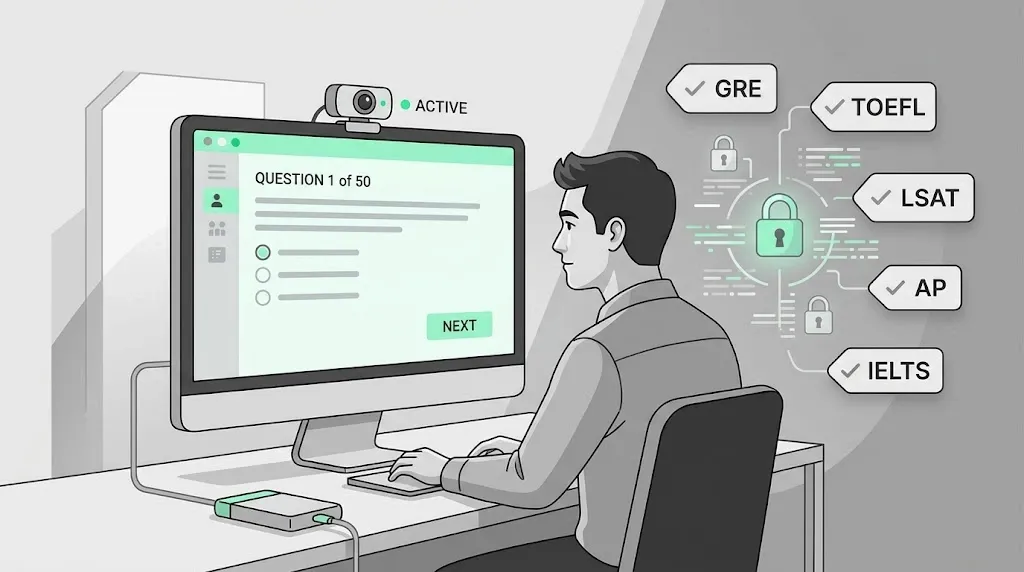


GRE proxy testing falls into two main categories: in-person test cheating and online test cheating.
Getting caught during an in-person exam usually happens for a few clear reasons:
- Impersonators taking the test in place of the candidate.
- Test center staff leaking exam questions, which leads back to the test-taker.
- Candidates getting caught red-handed during the exam.
All of these lead to severe consequences: a temporary or permanent GRE ban, deportation, or even legal prosecution by local authorities. Because the physical evidence in these cases is overwhelming, appealing the decision is almost impossible.
This guide focuses on online GRE test cheating: why candidates get caught and how to handle it. The most effective strategy is prevention rather than trying to fix things after the damage is done. Paying a team to submit an appeal is a waste of money—appeals do not work.
Common Reasons for Getting Caught
1. Outdated or Poor Technology
Some low-budget agencies use unreliable software to cut costs. Under strictly monitored dual-camera setups, these tools fail easily. Always choose an agency with a proven track record rather than trusting random ads or unverified recommendations.
2. Leaked Personal Information
Personal data can leak in several ways: friends or peers telling on you, untrustworthy agencies selling your details, or agencies sharing score reports publicly without hiding your personal details. Never share your passport or ID numbers. If an agency demands personal identification as collateral for unpaid fees, walk away.
3. Repetitive Writing Answers
If your Analytical Writing essay uses identical templates, structures, or arguments as previous test-takers, human graders will flag your test. Avoid memorized "universal templates." If an agency provides plagiarized content, your only option is to switch to a different provider.
4. Suspicious Behavior During the Exam
Looking around frequently, staring at off-screen areas, or blatantly copying answers will trigger red flags from proctors.
5. Remote Screen Control
Allowing an agency to control your computer remotely to click or type answers is extremely risky. ETS monitoring systems easily flag abnormal cursor movements and unnatural eye positioning.
6. Having Someone Else Sit at Your Computer
Using a proxy test-taker in front of your camera is highly dangerous. Experienced proxies usually take exams for multiple people. Once they get caught, every exam linked to them gets canceled.
Penalties for Online GRE Cheating
- Score Cancellation or Temporary Hold
- Your score may be placed on hold or canceled without a direct ban. In this case, your best option is to schedule a new exam date.
- 1 to 2 Year Exam Ban:
- You may be banned from all ETS exams (including TOEFL, TOEIC, and Praxis) for 1–2 years. ETS will send an email detailing the penalty and the appeal process.
Important Note: Appealing a ban is completely useless. Do not fall for agency promises claiming they can overturn an ETS ban. Creating a new ETS account will not work either; the system will detect your identity, issue a warning, and keep your registration fee without refunding it.